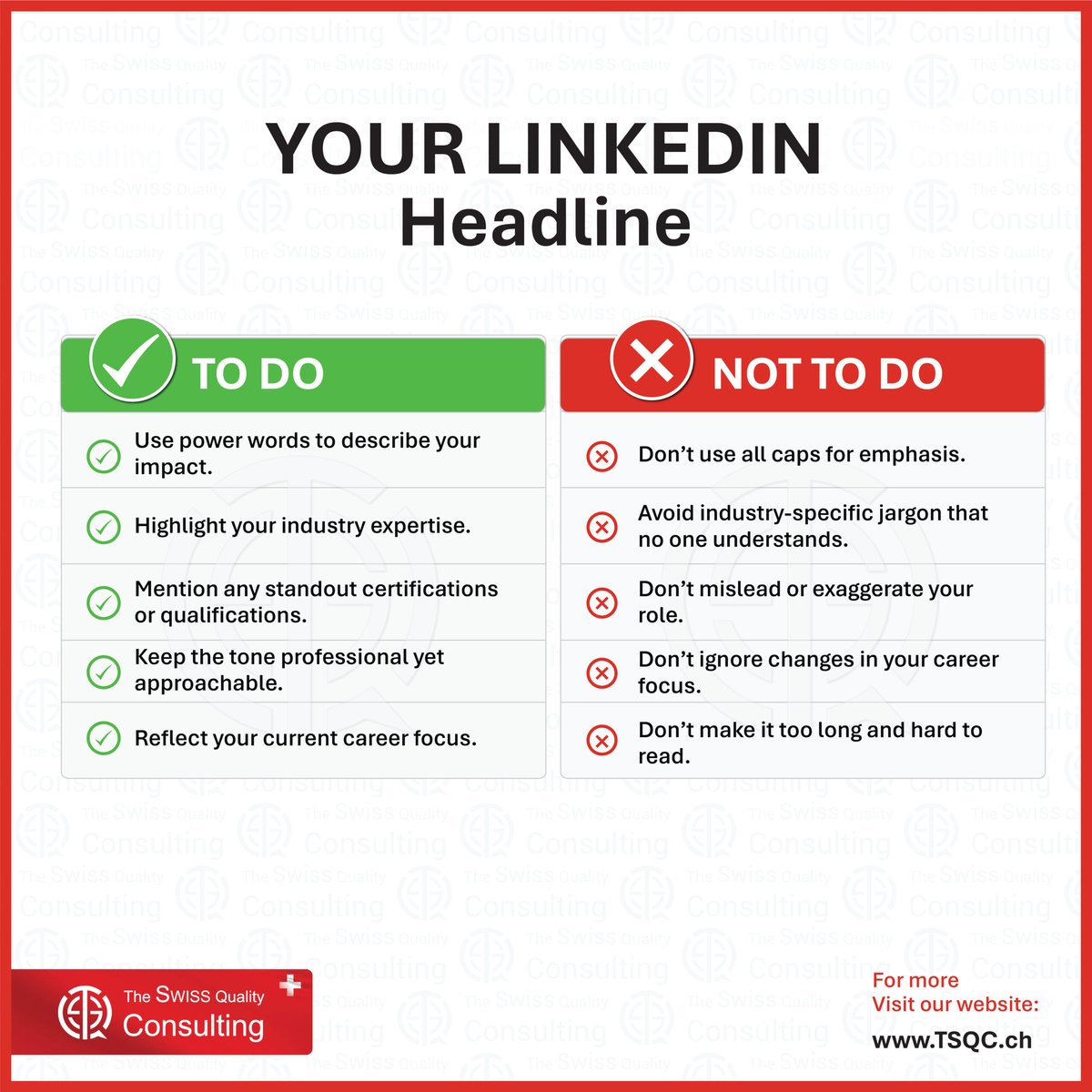
In today's hyper-connected professional world, your LinkedIn headline isn't just a descriptor; it's a dynamic billboard, a search magnet, and often, the first impression you make. But how do you know if that crucial phrase is truly working for you, driving the right connections, opportunities, and visibility? The answer lies in actively Measuring and Iterating on Your LinkedIn Headline's Impact. It's not enough to set it and forget it; optimizing this vital piece of your personal brand requires a strategic, data-driven approach.
This guide will equip you with the journalist's eye for detail and the marketer's toolkit, transforming your LinkedIn headline from a static label into a powerful, continually refined growth engine.
At a Glance: Key Takeaways for Headline Mastery
- Your headline is your professional billboard: It’s vital for first impressions, search visibility, and signaling value.
- Data trumps intuition: Don't guess; use LinkedIn's analytics (and external tools) to understand what's working.
- Optimize for visibility: Keyword-rich, concise headlines dramatically boost profile views and search appearances.
- Quantify your value: Including numbers and specific achievements increases engagement by 60%.
- A/B test your way to success: Experiment with different versions to find your headline's peak performance.
- Keep it fresh: Update your headline strategically for career milestones, seasonal relevance, or industry shifts.
Why Your LinkedIn Headline Isn't Just a Title, It's a Growth Engine
Let's be clear: your LinkedIn headline is arguably the most important sentence in your professional digital life. It's the micro-pitch that appears everywhere – in search results, connection requests, and even when you comment on posts. Far more than just your current job title, a well-crafted, optimized headline is a powerful tool for professional growth, acting as a crucial filter for opportunities and connections.
Consider the data: professionals with optimized LinkedIn headlines see a significant boost in their engagement. We're talking about a potential 40% more profile views, appearing 3 times higher in LinkedIn search results, receiving 60% more connection requests from recruiters, and experiencing a remarkable 2.5x increase in InMail response rates. These aren't minor improvements; they're game-changers for anyone serious about career advancement, business development, or thought leadership.
The LinkedIn algorithm itself prioritizes keyword-rich, engaging headlines. Think of it as Google for professionals: if your headline effectively communicates who you are, what you do, and the value you provide using terms people are searching for, you become far more discoverable. This isn't about gaming the system; it's about speaking the language of your target audience, whether they're recruiters, potential clients, or industry peers.
The Blueprint for an Impactful LinkedIn Headline
Before we dive into measurement, let's ensure we're building on a solid foundation. Crafting a truly effective LinkedIn headline involves a blend of strategy, clarity, and a touch of personal branding.
The Art of Conciseness: Optimal Length and Structure
LinkedIn gives you a generous 220 characters for your headline, but the sweet spot for maximum impact and visibility across all devices is much shorter. Aim for 100-140 characters, or roughly 8-15 words (40-60 characters), to ensure your core message is fully displayed without being truncated. This requires ruthless editing and a laser focus on what matters most.
The most effective structure isn't rocket science, but it is strategic. Consider this formula:[Job Title/Role] | [Value Proposition] | [Industry Keywords]
This formula allows you to immediately state your current standing, articulate the benefit you bring, and signal your domain expertise, all while integrating critical keywords.
Strategic Keyword Integration: Speak Your Audience's Language
Keywords are the lifeblood of LinkedIn search. Profiles that thoughtfully integrate industry-specific keywords appear 5 times more often in relevant searches. The key here is "naturally." Don't stuff your headline with a long list of disconnected terms. Instead, weave them into your value proposition and role description in a way that feels organic and readable.
For example, instead of "Marketing | Social Media | Content | SEO," consider "Growth Marketing Leader | Driving SaaS User Acquisition & Revenue through Data-Driven Strategy." The latter embeds relevant keywords ("Growth Marketing," "SaaS," "User Acquisition," "Data-Driven Strategy") within a clear statement of value.
Think about what terms recruiters use when searching for someone like you, or what phrases potential clients use to describe their problems. These are your keywords.
Professional Appeal: Avoiding the Generic Trap
We've all seen them: headlines filled with buzzwords like "results-driven," "passionate professional," "thought leader," or "ninja." While these terms might feel right, they're often generic, overused, and fail to differentiate you. Everyone claims to be "results-driven." What specific results do you deliver?
Instead of vague adjectives, replace them with specific achievements and a unique value proposition. Show, don't tell. Let your headline highlight what makes you genuinely unique and valuable, rather than relying on boilerplate phrases.
Numbers and Quantifiable Results: The Power of Specificity
This is where your headline truly shines. Headlines that include specific numbers and achievements perform an astounding 60% better. Why? Because numbers are concrete, credible, and immediately convey impact.
Compare "Sales Director" to "Sales Director | $2M+ Annual Revenue | 150% Quota Achievement." The latter immediately tells a story of success and impact. Even if you're not in a revenue-generating role, you can quantify your contributions: "HR Manager | Reduced Turnover by 20% | Streamlined Onboarding for 500+ Hires."
Balance Personality with Professionalism: Your Unique Value Proposition
While professionalism is paramount, your headline shouldn't be bland. It's an opportunity to inject a touch of your unique methodology, philosophy, or problem-solving approach – provided it's relevant to your professional value.
If you're known for a particular framework, a specific approach to leadership, or a unique way of tackling complex problems, hint at it in your headline. This adds depth and intrigue, inviting further exploration of your profile. For instance, "Product Manager | Building User-Centric Experiences with Agile Methodologies" conveys a specific approach.
Beyond Intuition: The Art and Science of Measuring Headline Impact
Once your headline is polished, the real work begins: understanding its actual impact. Unlike a website with Google Analytics, LinkedIn doesn't offer direct "headline A/B test" functionality with detailed performance metrics. However, you can still apply the principles of general headline optimization to your LinkedIn strategy.
Leveraging LinkedIn Analytics for Insight
While you can't see "headline clicks," you can track your profile's overall performance. Navigate to your LinkedIn profile and look for the "Analytics" section (often found under your dashboard). Key metrics to monitor include:
- Profile Views: A consistent increase here suggests your headline (among other profile elements) is drawing more attention.
- Search Appearances: This is a direct indicator of your visibility in LinkedIn's internal search engine. An optimized, keyword-rich headline should significantly boost this number.
- Who's Viewed Your Profile: While not a direct headline metric, studying the roles and industries of your viewers can tell you if your headline is attracting the right audience. Are recruiters in your target industry looking? Are decision-makers viewing your profile?
- Follower Growth: For thought leaders and content creators, a compelling headline can encourage more followers.
The Proxy Approach: Think of changes to your headline as an independent variable affecting these dependent variables. While not a pure A/B test, it’s the closest you get on LinkedIn without third-party tools.
Gathering Audience Feedback: The Human Element
Data alone won't always tell the full story. Sometimes, the most valuable insights come directly from your audience.
- Direct Outreach: If you have trusted mentors, colleagues, or even recruiters in your network, ask for their honest feedback. "Does my headline clearly communicate what I do and the value I offer?" "What's your initial impression?"
- Social Listening (Indirect): Pay attention to the types of connection requests you receive, the messages in InMail, or even comments on your posts. Are people reaching out for the reasons you want them to? If you're consistently getting irrelevant pitches, your headline might be miscommunicating your focus.
- Surveys (Limited but Possible): For very specific professional branding efforts, you might consider a small, targeted survey among a professional group or trusted network, presenting a few headline variations for their feedback. This is less common but can yield qualitative insights.
Being open to constructive criticism is paramount. Sometimes, what we think sounds good doesn't resonate with others.
Incorporating Best Practices: Learning from the Experts
Beyond your own testing and feedback, continuously educate yourself on what makes a great headline. Resources abound, from marketing blogs to personal branding experts. Look for patterns, common advice, and tools that can help.
While designed for broader content, tools like CoSchedule's Headline Analyzer can offer valuable insights into clarity, readability, and emotional resonance. While it won't directly integrate with LinkedIn, you can use it to score different variations of your headline before you implement them, giving you a preliminary sense of their potential strength. These analyzers often provide feedback on length, word balance, and sentiment, which are all applicable to LinkedIn.
Your A/B Testing Lab: Iterating for Peak Performance
The most powerful way to refine your LinkedIn headline is through systematic A/B testing. This isn't about guesswork; it's about making data-informed decisions. Since LinkedIn doesn't offer native A/B testing for headlines, you'll need a manual, but effective, approach.
Why A/B Testing is Crucial for LinkedIn Headlines
A/B testing, even manually, allows you to compare the performance of different headline versions against your baseline. Instead of just hoping a change works, you'll have data to back up your decisions. This iterative process helps you:
- Identify which elements (keywords, value propositions, calls to action) resonate most.
- Understand what attracts the right kind of attention.
- Continuously improve your profile's visibility and engagement.
A Practical A/B Testing Framework for LinkedIn
We recommend a structured approach for testing different headline versions. Consistency is key here.
- Establish Your Baseline (Weeks 1-2):
- Start by using your current headline.
- Monitor your LinkedIn profile analytics (profile views, search appearances, 'Who's viewed your profile') daily or weekly. Record these numbers to establish your average performance. This is your control group.
- Test a Value Proposition Variation (Weeks 3-4):
- Change your headline to emphasize a different aspect of your value proposition.
- Example: If your baseline was "Senior Marketing Manager | Driving Digital Campaigns," a value proposition variation might be "Senior Marketing Manager | Accelerating Revenue Growth Through Strategic Digital Initiatives."
- Monitor analytics for two weeks. Note any changes in profile views, search appearances, and the demographics of your viewers.
- Test a Keyword-Focused Variation (Weeks 5-6):
- Adjust your headline to integrate a new set of highly relevant keywords or emphasize existing ones differently, without sacrificing readability.
- Example: Building on the previous, "Senior Marketing Manager | SaaS Growth & Digital Strategy | User Acquisition Expert."
- Again, track your analytics diligently for two weeks. Pay close attention to search appearances and who views your profile.
- Analyze and Implement the Winner (Week 7 onwards):
- Compare the performance data from all three periods. Look for sustained increases in key metrics.
- Consider not just raw numbers but also the quality of engagement. Did the "Value Proposition" headline attract more recruiters for senior roles? Did the "Keyword" headline lead to more relevant search appearances?
- Implement the headline that demonstrated the best overall impact. This becomes your new baseline for future iterations.
Remember, the goal isn't just more views, but better views – those that align with your career goals. This methodical approach to testing ensures you're making informed choices.
Advanced Strategies: Elevating Your Headline to Elite Status
Once you've mastered the fundamentals of crafting and testing, there are several advanced strategies to keep your LinkedIn headline at the cutting edge.
Seasonal & Strategic Updates: Stay Relevant
Your professional journey isn't static, and neither should your headline be. Regular updates keep you relevant and signal new achievements or interests.
- Job Seekers: Aim to update your headline monthly. As you refine your job search strategy, learn new skills, or get clarity on target roles, your headline should reflect that evolving focus.
- Established Professionals: Update quarterly. This is an excellent cadence to incorporate new certifications, major project successes, promotions, or shifts in industry trends that you're now addressing.
- Event-Specific: Attending a major conference or launching a new product? A temporary headline tweak ("Attending [Conference Name] #Networking") can be highly effective for real-time engagement.
Personal Branding: Weaving in Your Unique Story
Your headline is a microcosm of your personal brand. It's where you hint at your unique methodology, your underlying philosophy, or your distinctive approach to problem-solving.
- Beyond the "What": Instead of just stating what you do, consider how you do it, or why it matters. For example, "Head of Product | Building Scalable SaaS Solutions with a Focus on Ethical AI" immediately communicates a specific approach and value system.
- Your Mission: If you have a clear professional mission, see if you can subtly integrate it. "Marketing Strategist | Empowering SMBs to Dominate Niche Markets."
Strategic Use of Emojis/Characters: A Dash of Personality (with Caution)
Emojis and special characters (like the vertical bar | or em dash -) can add visual appeal and break up text, making your headline more scannable. However, use them sparingly and with discretion.
- 1-2 Emojis Max: Overuse can undermine professionalism.
- Add Meaning: Emojis should reinforce your message, not just decorate it. A lightbulb emoji (💡) for innovation, a rocket (🚀) for growth, or a handshake (🤝) for partnerships can be effective.
- Maintain Professionalism: Always consider your industry and target audience. A highly traditional industry might frown upon emojis, while a creative or tech-centric field might embrace them. When in doubt, err on the side of caution.
If you're looking for help crafting these dynamic headlines, remember you can always generate your LinkedIn headline using specialized tools that can provide ideas and structures to get you started.
Demystifying the LinkedIn Headline: Your FAQs Answered
Even with all the best practices, questions naturally arise. Let's tackle some common queries and misconceptions about LinkedIn headlines.
What's the Difference Between a "Good" and a "Great" Headline?
A good headline states what you do: "Marketing Manager at XYZ Corp." It's accurate but passive.
A great headline communicates the value you bring, combines keywords with compelling results, and provides unique positioning: "Growth Marketing Leader | Scaling B2B SaaS ARR by 200% with Data-Driven Strategies & Team Leadership." It's active, impactful, and signals both expertise and results. It goes beyond the job title to articulate the impact of your work.
Why Might My Headline Receive a Low Score (from an analyzer tool)?
Headline analyzer tools, even if not perfectly suited for LinkedIn, often flag similar issues. A low score typically points to:
- Lack of Industry Keywords: If your headline doesn't include terms your target audience searches for, it will be less effective.
- Generic Phrases: Overused buzzwords ("results-driven," "passionate") dilute your unique value.
- Missing Quantifiable Results: Without numbers or specific achievements, your impact remains vague.
- Poor Readability: Jargon, awkward phrasing, or excessive length can make your headline hard to digest quickly.
- Weak Emotional Resonance: A great headline often evokes a positive emotion or piques curiosity.
Should I Include My Company Name in My Headline?
Generally, prioritize your role and value proposition over your company name. Your headline has limited real estate, and your company name is already visible in your experience section.
However, there are exceptions:
- Strong Brand Recognition: If you work for a globally recognized brand that immediately adds significant credibility or attracts specific opportunities.
- Freelancers/Consultants: If your company is your personal brand, or if you're promoting a specific business.
- Company Founder/CEO: It's natural to include your company if you're the leader.
For most, including the company name isn't a detrimental mistake, but it often means sacrificing space for more impactful keywords or value statements.
How Should I Handle Industry Jargon?
Use industry jargon strategically and sparingly. The rule of thumb: use terms your target audience (recruiters, clients, peers) searches for and understands, but avoid unnecessarily complex language that alienates others.
- Target Audience Familiarity: If you're targeting a highly specialized niche, using precise technical terms is essential. For example, a "DevOps Engineer" headline needs terms like "Kubernetes," "CI/CD," or "Cloud Architecture" if those are truly what people search for in that space.
- Clarity vs. Exclusivity: Ensure your jargon doesn't become a barrier. If a simpler term conveys the same meaning, opt for clarity. If the jargon is a critical keyword and differentiator, use it.
Putting It All Together: Your Action Plan for Continuous Growth
Your LinkedIn headline is a living, breathing component of your professional identity. It's not about achieving perfection once, but about cultivating a mindset of continuous improvement and strategic iteration.
Here’s your actionable roadmap:
- Audit Your Current Headline: Review your existing headline against the best practices outlined above. Is it concise? Keyword-rich? Does it quantify your value?
- Craft Your First Test Variation: Based on your audit, create a new headline that focuses on a specific improvement – perhaps adding more keywords, a stronger value proposition, or quantifiable results.
- Implement and Monitor (Weeks 1-2 Baseline): Update your LinkedIn profile with your current headline and meticulously track your profile views, search appearances, and 'Who's viewed your profile' for two weeks. This establishes your control.
- Test and Compare (Weeks 3-4, 5-6): Swap in your first variation for two weeks, then your second. Compare the metrics against your baseline and each other.
- Refine and Reapply: Analyze your data. Which headline performed best? Implement the winner and continue to iterate. Your "winner" becomes your new baseline for the next round of testing.
- Seek Feedback: Don't hesitate to ask trusted connections for their honest thoughts on your headline variations.
- Stay Relevant: Commit to reviewing and potentially updating your headline quarterly, or more frequently if you're actively job searching or undergoing significant career changes.
By embracing this systematic approach to measuring and iterating on your LinkedIn headline's impact, you transform a simple text field into a powerful, data-driven engine for professional visibility, connection, and ultimately, growth. Your most important professional sentence deserves nothing less.